Winter Activities in Lapland: Best Excursions Guide
How can I maximize my chances of seeing the Northern Lights?
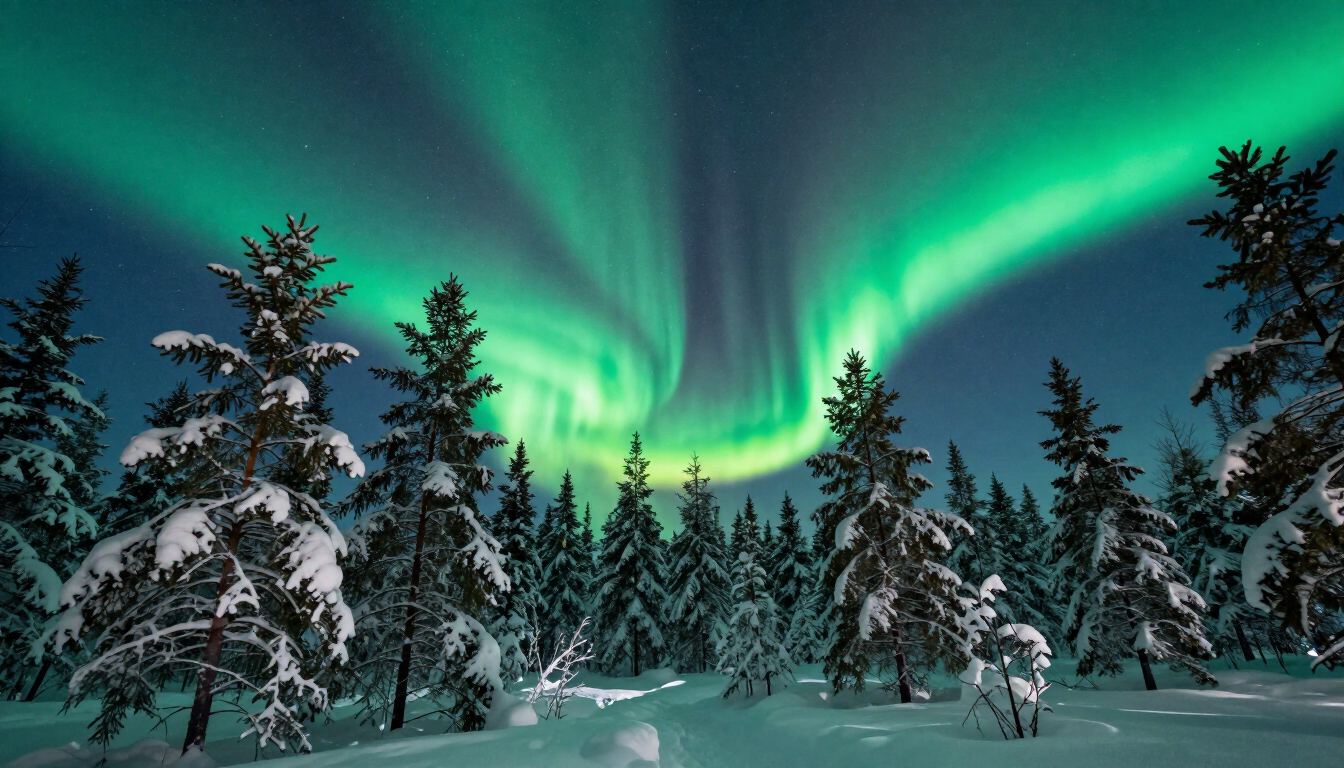
Seeing the Aurora Borealis is a highlight of any winter trip to Lapland, but it requires a bit of luck and strategy. The Northern Lights are a natural phenomenon caused by solar particles hitting the Earth's atmosphere, and they are most visible in the "Aurora Oval," which sits directly over Finnish Lapland.
To see them, you need three things: solar activity, clear skies, and darkness. This is why Northern lights tours are so popular. Local guides monitor real-time weather satellite data and Aurora forecasts to drive you away from the city lights of Rovaniemi to remote locations where the sky is clearest.
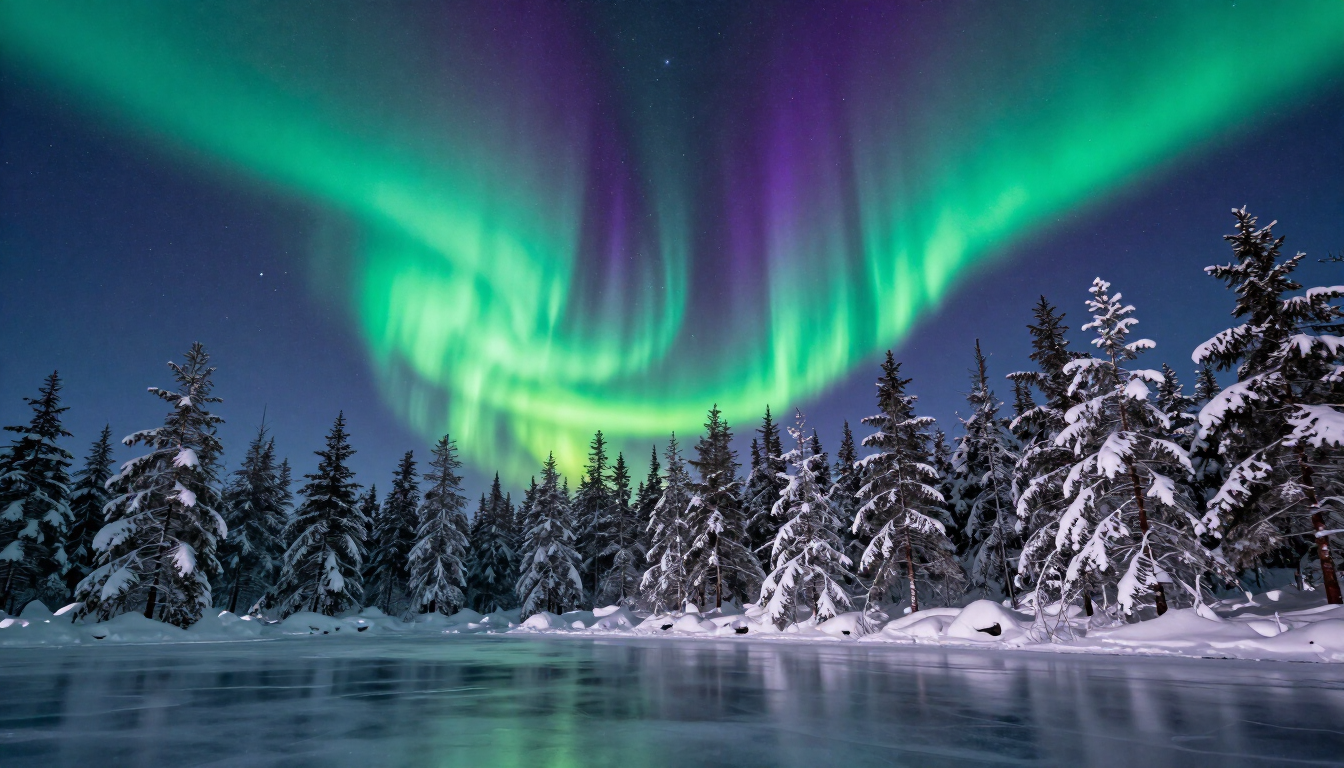
Many travelers wonder what the best month for a Northern Lights tour is. While the lights are active from late August to early April, the "deep winter" months of January and February offer the most dramatic snowy backdrops for photography. However, if you visit during the spring equinox in March, you may benefit from statistically higher solar activity. If you are serious about seeing the lights, plan to stay for at least 4-5 nights and book your tour for the first night of your trip. This gives you the flexibility to re-book if the weather is poor on your initial attempt.
Planning the perfect family winter holiday in Rovaniemi
For families, Rovaniemi is a playground of imagination. Beyond the high-octane adventures, there are magical experiences like visiting a reindeer farm. Reindeer are the icons of Lapland, and meeting these gentle creatures is a highlight for young children. You can learn about the indigenous Sami culture and the importance of reindeer herding in the modern day. A slow-paced reindeer sleigh ride through a silent forest is the perfect contrast to the speed of a snowmobile.
When planning your itinerary, remember to balance activity with rest. The Arctic environment is physically demanding, especially for children. Aim for one major excursion per day and leave the afternoons free for sledding near your hotel or visiting the Santa Claus Village. Most activities are located within a 30-minute drive of the city center, making it easy to manage your time without long transfers. For any specific questions about age limits or suitability, do not hesitate to Contact Us for personalized advice.
Why book directly with a local Lapland tour operator?
In the age of global booking platforms, it might be tempting to use a large third-party website. However, booking your winter activities in Finnish Lapland directly with a local operator has significant benefits.
Firstly, you are supporting the local economy. Small, family-run businesses in Rovaniemi rely on direct bookings to maintain their equipment and provide fair wages to their guides. Secondly, direct communication is invaluable. When you book directly, you can ask specific questions about the weather, group sizes, and dietary requirements, and you will receive an answer from someone who actually lives and works on the ground.
Local operators also have the flexibility to adjust tours based on the daily conditions. If the snow is too soft or the wind is too high, a local guide knows the secret spots that will still provide a great experience. They are passionate about their home and take pride in sharing the "hidden gems" of the forest that larger, mass-market tours often overlook. This personal touch is what transforms a standard vacation into a lifelong memory.
Essential Takeaways for Your Lapland Winter Adventure
Preparing for a journey to the Arctic is as much about mindset as it is about gear. Embrace the cold, welcome the darkness, and prepare to be amazed by the quiet beauty of the North.
Quick tips for your winter trip:
- Book early: Aim for 3-6 months in advance for peak winter dates.
- Layer up: Invest in merino wool and follow the three-layer rule.
- Go local: Choose Rovaniemi-based operators for the most authentic excursions.
- Stay flexible: Weather in the Arctic changes quickly; keep your schedule adaptable.
- Capture the moment: Bring extra batteries for your camera, as the cold drains them quickly!
Whether you are mushing through the trees or standing under a sky of dancing green lights, the magic of Lapland is waiting for you. Start planning today on our Home page and get ready for the adventure of a lifetime.
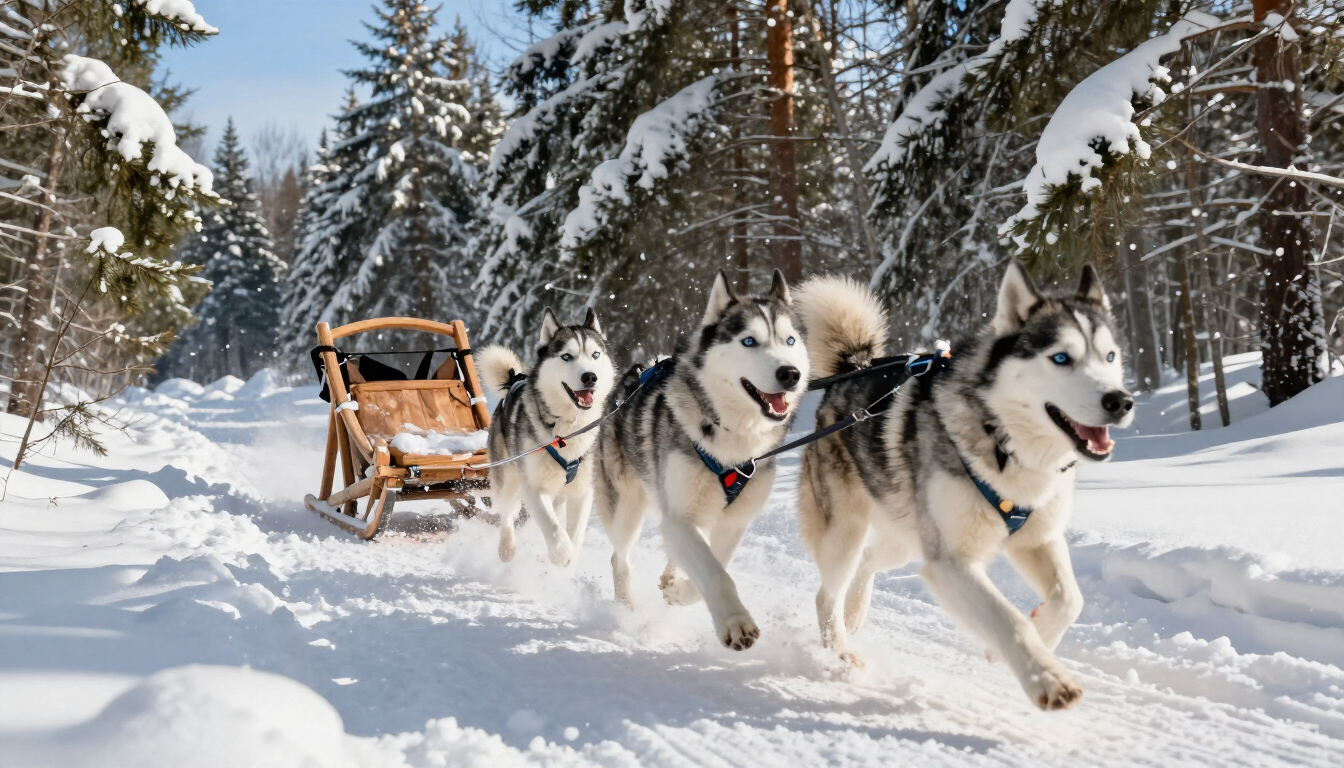
Winter activities in Finnish Lapland primarily include husky sledding, snowmobile safaris, and Northern Lights tours. The best time for these excursions is between December and March when snow coverage is reliable and the nights are dark. Booking directly with local Rovaniemi operators ensures high-quality gear and authentic Arctic experiences.
What are the best winter activities in Finnish Lapland?
If you are dreaming of a winter wonderland, there is no place on Earth quite like Finnish Lapland. From the moment you touch down in Rovaniemi, the official hometown of Santa Claus, you are immersed in a world of glistening white forests, frozen lakes, and the crisp, clean air of the Arctic Circle. The range of winter activities in Finnish Lapland is vast, catering to adrenaline seekers, nature lovers, and families alike.
At the top of almost every traveler's list are three iconic experiences: driving your own team of energetic huskies through the wilderness, navigating powerful snowmobiles across frozen tundras, and chasing the elusive Aurora Borealis. Each of these activities offers a unique perspective on the North. While snowmobiling allows you to cover vast distances and see remote landscapes, husky sledding provides a silent, rhythmic connection to the land and its heritage. Meanwhile, Northern Lights tours combine the thrill of the hunt with the awe of natural science.
To make the most of your holiday, it is essential to plan ahead. Lapland’s popularity means that the best Activities often book up months in advance, especially during the festive season. By choosing a variety of excursions, you ensure a well-rounded trip that captures the true essence of the Arctic. Whether you are looking for a peaceful reindeer sleigh ride or a high-speed adventure, the variety of excursions available ensures that every day spent here feels like a scene from a holiday movie.
Why husky sledding is a must-do Arctic experience
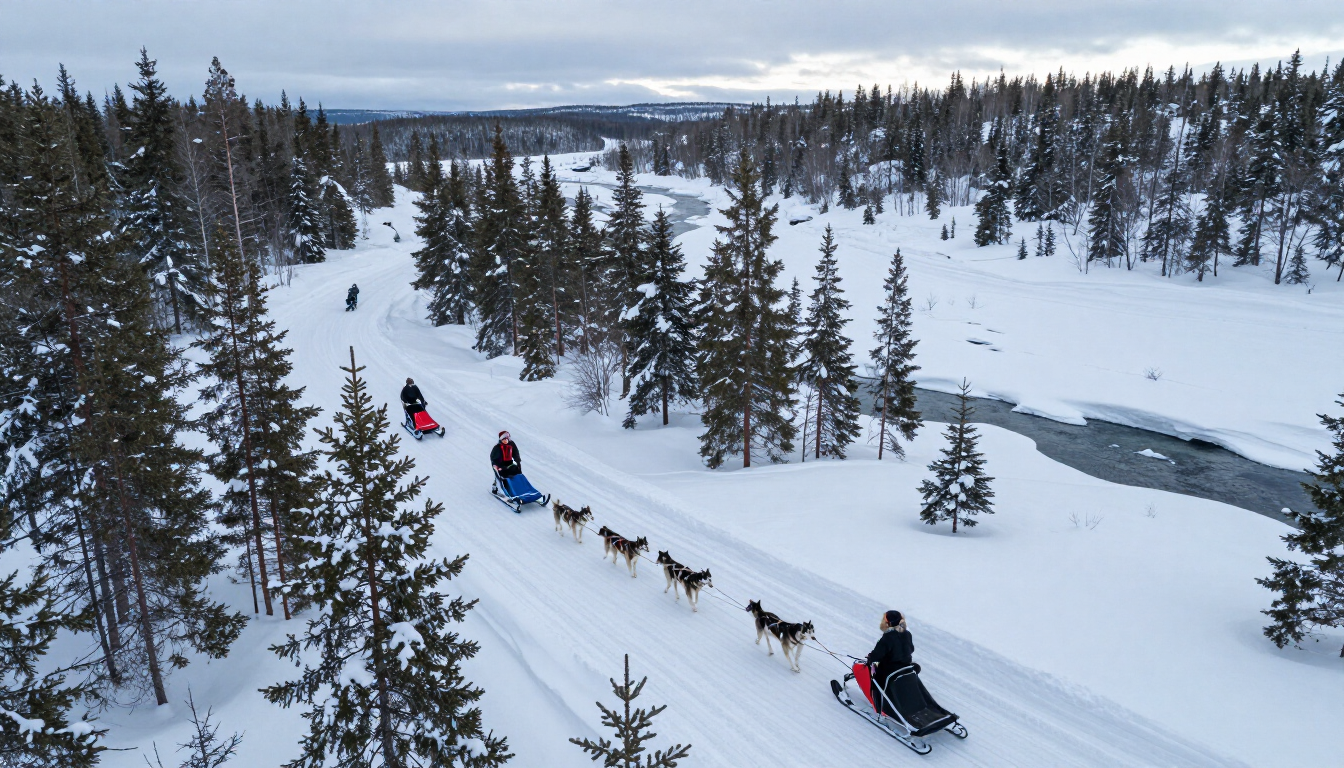
There is something incredibly primal and exhilarating about husky sledding. Before you even see the dogs, you will hear them—a chorus of excited howls and barks as they anticipate the run. These dogs are born to pull, and their energy is infectious. Once the anchor is lifted and the sled starts to glide, the barking stops instantly, replaced by the soft crunch of paws on snow and the sound of the sled runners sliding over the ice.
Husky safaris range from short 2km taster runs to multi-day expeditions. For most visitors, a 5km to 10km trail is the perfect balance, lasting about 45 to 90 minutes. You will typically work in pairs: one person drives (the musher) while the other sits comfortably in the sled wrapped in reindeer hides. Halfway through, you can swap roles, giving everyone a chance to feel the power of the team.
When choosing a husky tour, look for operators who prioritize animal welfare. Small-scale farms often provide a more intimate experience where you can spend time petting the dogs and learning about their unique personalities after the ride. These tours are not just about the speed; they are about the bond between the musher and the team, a tradition that has been vital to life in the North for centuries.
How do I prepare for a snowmobile safari?
Snowmobiling is the quintessential way to explore the vast Arctic wilderness. While huskies are limited by their stamina, a snowmobile can take you deep into the fells, across massive frozen lakes, and through dense forests where no roads exist. It is an adrenaline-pumping way to experience the scale of the Finnish landscape.
To drive a snowmobile in Finland, you must be at least 18 years old and hold a valid driving license (Category B). Safety is the top priority for all local operators. Before you set off, your guide will provide a comprehensive safety briefing and teach you how to handle the machine. Modern snowmobiles are user-friendly, with heated handlebars to keep your hands warm even in sub-zero temperatures.
Safety and etiquette for snowmobile safaris:
- Always follow the guide's tracks and never overtake.
- Maintain a safe distance from the snowmobile in front of you.
- Keep both hands on the handlebars at all times while moving.
- Be mindful of the environment and stay on designated trails.
- Use the hand signals provided by your guide to communicate with the group.
Families traveling with children don't have to miss out. Most operators provide large sleds pulled by the guide’s snowmobile, where kids can sit snugly under blankets while the adults drive. It is a fantastic way to share the thrill of the speed while ensuring the little ones stay warm and safe. After a few hours of riding, most tours include a break at a traditional "kota" (a Sami-style hut) to enjoy hot berry juice and snacks over an open fire.
What should I wear for outdoor activities in Lapland?
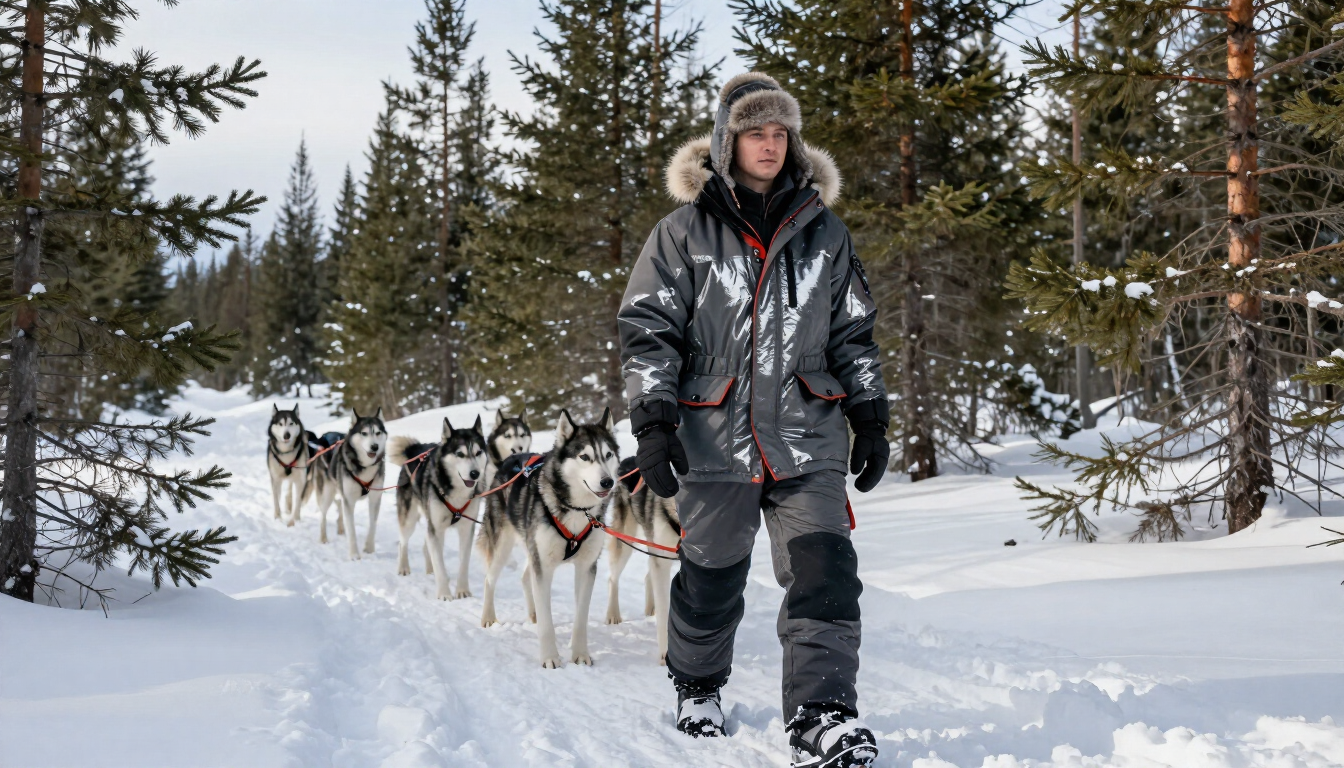
One of the biggest concerns for travelers planning a winter trip to Lapland is the cold. Temperatures can drop as low as -30°C (-22°F), but with the right clothing, you will barely feel it. The secret lies in the "three-layer principle." Most reputable tour operators will provide you with a heavy-duty thermal overall, boots, and gloves, but what you wear underneath is equally important.
The Essential Arctic Layering Guide:
- Base Layer: High-quality thermal underwear made of merino wool or synthetic wicking fabric. Avoid cotton at all costs, as it holds moisture and will make you cold.
- Mid Layer: A fleece jacket or a thick wool sweater. This layer traps heat against your body.
- Insulating Layer: On exceptionally cold days, a light down vest or an extra fleece can provide the warmth needed for long outdoor stays.
- Socks: One thin pair of liners and one thick pair of wool socks. Ensure your boots are not too tight, as air circulation is key to keeping toes warm.
- Accessories: A woolly hat that covers your ears, a neck warmer (buff), and silk glove liners to wear inside your mittens.
When you book your Accommadation , check if they offer thermal gear rentals for your entire stay. Having a warm set of boots and a parka for walking to dinner is just as important as having them for your excursions.